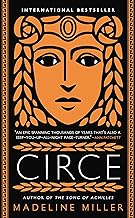
In the vast pantheon of Greek mythology, few figures have been as misunderstood and vilified as Circe, the sorceress who turned Odysseus's men into swine. For centuries, she was relegated to the role of a dangerous temptress, a footnote in a hero's journey. That is, until Madeline Miller's groundbreaking novel, Circe, gave her a voice, a history, and a profound humanity. This feminist retelling has not only become a bestseller but also a cornerstone of modern mythological fiction.
The Power of a Reclaimed Narrative
Miller's Circe is a masterclass in character rehabilitation. The novel traces the life of the nymph from her childhood in the halls of the Titan Helios to her exile on the island of Aiaia. Far from a one-dimensional villain, Miller's Circe is a complex figure—lonely, curious, and powerful in ways that frighten the gods themselves. Her "witchcraft" is reframed as pharmakeia, a deep, intuitive knowledge of herbs and transformation, a power born from her own marginalization. This nuanced portrayal has resonated deeply with readers, earning the book its status as a Book of the Year contender and a staple for book club discussions.
Circe's Literary Universe: Companions and Collections
The success of Circe is often discussed alongside Miller's other masterpiece, The Song of Achilles: A Novel (P.S.). While The Song of Achilles offers a poignant and tragic love story between Achilles and Patroclus, Circe provides a narrative of self-discovery and resilience. For those who wish to immerse themselves fully in Miller's world, the Circe and The Song of Achilles By Madeline Miller 2 Books Collection Set is the perfect way to experience both defining works of contemporary Greek mythology retellings.
The novel's global impact is evident in its availability in multiple languages, such as the Circe [AdN] (Spanish Edition) and the German edition, Ich bin Circe: Roman, which brings this rebellious tale to a wider audience. The trend of feminist retellings continues with powerful works like Clytemnestra, another novel that re-examines a maligned queen from Greek myth, inviting comparisons and deeper literary analysis.
Beyond the Novel: Circe in Modern Culture
The fascination with Circe extends beyond the printed page into the realms of mysticism and art. The Circe Tarot deck, for instance, channels the goddess's transformative and intuitive energy into a beautiful tool for divination. This deck is a testament to how ancient myths continue to inspire modern mystical art and practice.
For those drawn to the ritualistic and spiritual aspects of the character, The Little Book of Circe: Invocations and Prayers (Little Magical Guides) offers a practical guide. Part of the Little Magical Guides series, this book explores goddess worship and provides a contemporary connection to Circe's archetypal power.
Deepening Your Understanding
Readers and students looking to delve deeper will find resources like the Study Guide for Book Clubs: Circe invaluable. This guide facilitates richer discussions and novel study, breaking down themes, symbols, and character development. Furthermore, fans of Circe often enjoy other works of intricate, myth-infused fantasy, such as Susanna Clarke's Piranesi, which shares a sense of wonder and isolation.
In conclusion, Madeline Miller's Circe is more than just a bestseller; it is a cultural phenomenon that has revitalized interest in Greek mythology through a fiercely feminist and empathetic lens. From the core novel to its various editions, companion books, tarot decks, and study guides, the world of Circe offers a multifaceted exploration of power, isolation, and redemption. It stands as a definitive modern classic and a gateway to rediscovering the timeless stories that shape our understanding of humanity.

